The Importance of Diesel Generators for Standby Power Solutions


Introduction
In today's fast-paced world, electricity has become an indispensable part of our daily lives. From powering our homes to running critical infrastructure such as hospitals, data centers, and telecommunications networks, a reliable source of electricity is vital for both personal and professional activities. However, power outages are inevitable due to various reasons such as natural disasters, equipment failures, or grid instability. To ensure uninterrupted power supply during such emergencies, standby power solutions are essential. Among the various options available, diesel generators have emerged as a popular choice for providing reliable backup power. This article will explore the significance of diesel generators for standby power applications, their key features, advantages, and considerations for selecting the right generator for your needs.
The Role of Diesel Generators in Standby Power Solutions
Diesel generators play a critical role in providing standby power solutions for a wide range of applications. These generators are designed to automatically start and supply power when the primary power source fails, ensuring continuity of operations and preventing downtime. Diesel generators are commonly used in commercial, industrial, and residential settings where uninterrupted power supply is essential for safety, productivity, and efficiency.
In commercial and industrial settings, diesel generators are often deployed to power essential equipment such as pumps, HVAC systems, security systems, and lighting during power outages. For businesses, downtime can result in significant financial losses, damage to reputation, and disruptions to customer service. Diesel generators offer a reliable and cost-effective solution to mitigate these risks and maintain operations during emergencies.
In residential settings, diesel generators are used to provide backup power for homes, ensuring that essential appliances such as refrigerators, lights, and heating systems continue to function during outages. In regions prone to severe weather conditions or unreliable grid infrastructure, having a diesel generator can provide peace of mind and comfort to homeowners.
Key Features of Diesel Generators
Diesel generators are known for their robustness, reliability, and efficiency, making them a preferred choice for standby power applications. Some of the key features of diesel generators include:
1. Diesel Engine: Diesel generators are powered by diesel engines, which are known for their durability and fuel efficiency. Diesel engines can operate for long hours under heavy load conditions, making them ideal for continuous power generation.
2. Alternator: The alternator in a diesel generator converts mechanical energy from the diesel engine into electrical energy. High-quality alternators ensure stable output voltage and frequency, essential for powering sensitive electronic equipment.
3. Control Panel: Diesel generators are equipped with advanced control panels that monitor and control the generator's operation. The control panel provides essential information such as voltage, frequency, fuel levels, and operating status, allowing users to manage the generator effectively.
4. Cooling System: Diesel generators feature efficient cooling systems to regulate the temperature of the engine and prevent overheating. Proper cooling is crucial for maintaining the performance and longevity of the generator.
5. Automatic Transfer Switch (ATS): An ATS is a key component of standby power systems that automatically detects power outages and switches the load from the main power source to the generator. This seamless transition ensures uninterrupted power supply to connected equipment.
Advantages of Diesel Generators for Standby Power
Diesel generators offer numerous advantages for standby power applications, making them a popular choice for businesses, industries, and homeowners. Some of the key advantages of diesel generators include:
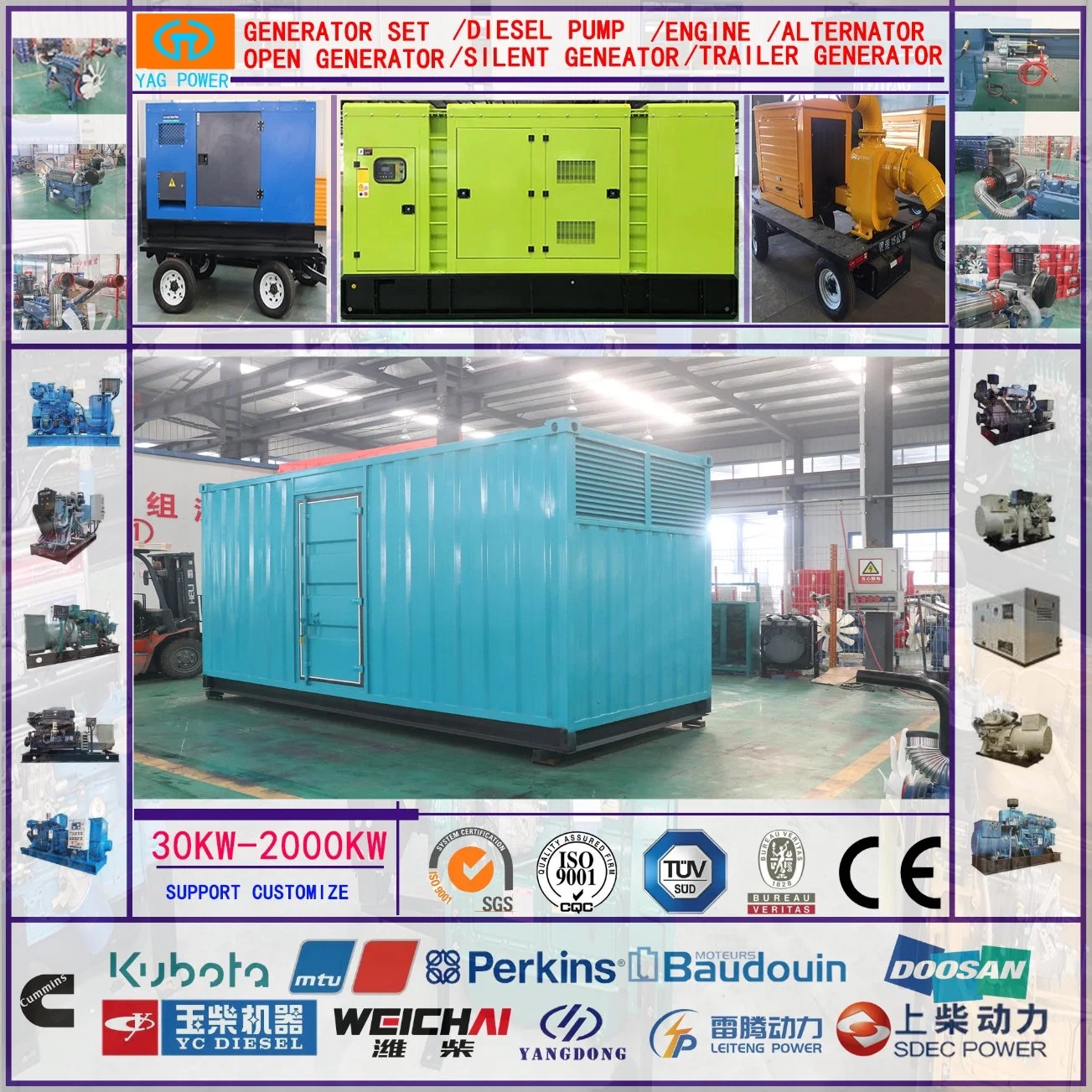
1. 50kw diesel generator : Diesel generators are known for their reliability and robustness, providing a dependable source of backup power during emergencies. Diesel engines are durable and can withstand heavy usage, ensuring continuous operation when needed.
2. Fuel Efficiency: Diesel engines are more fuel-efficient compared to gasoline engines, offering cost savings over the long term. Diesel fuel is also less volatile than gasoline, making it safer to store and handle.
3. Longevity: Diesel generators have a longer lifespan compared to other types of generators, thanks to the durability of diesel engines and their components. Proper maintenance and servicing can further extend the lifespan of a diesel generator.
4. Power Output: Diesel generators are capable of delivering high power output, making them suitable for powering a wide range of equipment and appliances. Whether it's a small residential backup generator or a large industrial unit, diesel generators can meet varying power requirements.
5. Quick Start-up: Diesel generators can start up quickly and reach full operational capacity within minutes, ensuring minimal downtime during power outages. This rapid response is crucial for critical applications where immediate power supply is essential.
6. Versatility: Diesel generators are versatile and can be used in a wide range of applications, from small residential backup systems to large industrial installations. They are suitable for both standby power and prime power applications, offering flexibility to users.
Considerations for Selecting a Diesel Generator
When choosing a diesel generator for standby power, several factors need to be considered to ensure that the generator meets the specific requirements of the application. Some of the key considerations include:
1. Power Requirements: The first step in selecting a diesel generator is determining the power requirements of the load it will be supporting. Consider the total wattage of all connected equipment and appliances to size the generator appropriately.
2. Fuel Type: Diesel generators require diesel fuel to operate, so availability and cost of fuel should be taken into account when selecting a generator. Diesel fuel is generally more stable and easier to store than gasoline, but the upfront cost of diesel generators may be higher.
3. Run Time: Consider the expected duration of power outages in your area to determine the required run time of the generator. Diesel generators can typically run for longer periods on a single tank of fuel compared to gasoline generators.
4. Noise Levels: Diesel generators are known for their noise levels, which can be a consideration in residential areas or noise-sensitive environments. Look for generators with soundproof enclosures or mufflers to minimize noise emissions.
5. Emissions Regulations: Diesel generators can produce emissions such as carbon monoxide, nitrogen oxides, and particulate matter, which may be subject to environmental regulations. Choose a generator that meets emission standards and consider implementing exhaust gas treatment systems if necessary.
6. Maintenance Requirements: Regular maintenance is essential to ensure the reliable performance of a diesel generator. Consider the maintenance schedule, availability of spare parts, and service support when selecting a generator.
Conclusion
Diesel generators play a crucial role in providing standby power solutions for a wide range of applications, ensuring continuity of operations and safety during power outages. With their reliability, efficiency, and durability, diesel generators have become a popular choice for businesses, industries, and homeowners looking to safeguard against unexpected power failures. By understanding the key features, advantages, and considerations for selecting a diesel generator, users can make informed decisions and choose the right generator for their specific needs. Whether it's for commercial, industrial, or residential use, diesel generators offer a dependable and cost-effective solution for reliable backup power.